

News
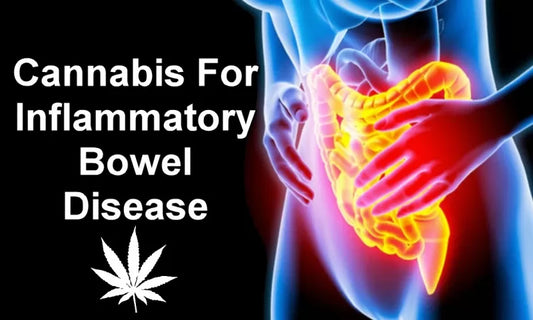
Cannabis for Inflammatory Bowel Disease
Inflammatory bowel disease (IBD) is one of the most painful and excruciating conditions. Imagine constantly suffering from pain, being unable to enjoy your favorite food, and having to go to...
Cannabis for Inflammatory Bowel Disease
Inflammatory bowel disease (IBD) is one of the most painful and excruciating conditions. Imagine constantly suffering from pain, being unable to enjoy your favorite food, and having to go to...

How is Cannabis killing Cancer Cells
Research is now showing that CBD in cannabis may operate just as effectively as THC at killing cancer cells. For decades, scientists have found evidence in Petri dishes and laboratories...
How is Cannabis killing Cancer Cells
Research is now showing that CBD in cannabis may operate just as effectively as THC at killing cancer cells. For decades, scientists have found evidence in Petri dishes and laboratories...
Everything You Need to Know About the Science B...
The cannabis plant produces literally hundreds of specialized molecules — cannabinoids, terpenes and flavonoids — that have been shown to deliver medicinal efficacy, lifestyle enhancement and even performance enhancement to human...
Everything You Need to Know About the Science B...
The cannabis plant produces literally hundreds of specialized molecules — cannabinoids, terpenes and flavonoids — that have been shown to deliver medicinal efficacy, lifestyle enhancement and even performance enhancement to human...

BMJ First case study for CBD and Chronic Pain.
A medical cannabis patient living with Ehlers-Danlos syndrome (EDS) has broken new ground in the move towards widespread acceptance of cannabis as a medicine. Lucy Stafford has seen her health...
BMJ First case study for CBD and Chronic Pain.
A medical cannabis patient living with Ehlers-Danlos syndrome (EDS) has broken new ground in the move towards widespread acceptance of cannabis as a medicine. Lucy Stafford has seen her health...
Study on CBD and Cholesterol
The results of a placebo-controlled study by the Center for Applied Health Science in Stow, USA, stated that cannabis extracts containing CBD improved HDL cholesterol levels of volunteers. Cholesterol is a fat-like...
Study on CBD and Cholesterol
The results of a placebo-controlled study by the Center for Applied Health Science in Stow, USA, stated that cannabis extracts containing CBD improved HDL cholesterol levels of volunteers. Cholesterol is a fat-like...

Could Cannabis Be Used To ‘Repair’ Damage To Ar...
Everywhere you look people are talking about medical marijuana. It’s on the news, all over Facebook, and even at the dinner table. You would think that we’ve already said all we...
Could Cannabis Be Used To ‘Repair’ Damage To Ar...
Everywhere you look people are talking about medical marijuana. It’s on the news, all over Facebook, and even at the dinner table. You would think that we’ve already said all we...
Therapeutic properties of Inonotus obliquus (Chaga mushroom): A review
nonotus obliquus, also known as Chaga, is a medicinal mushroom
that has been used for therapeutic purposes since the sixteenth century.
Collections of folk medicine record the application of Chaga for the
treatment of diseases such as gastrointestinal cancer, diabetes,
bacterial infection, and liver diseases. Modern research provides
scientific evidence of the therapeutic properties of I. obliquus
extracts, including anti-inflammatory, antioxidant, anticancer,
anti-diabetic, anti-obesity, hepatoprotective, renoprotective,
anti-fatigue, antibacterial, and antiviral activities. Various bioactive
compounds, including polysaccharides, triterpenoids, polyphenols, and
lignin metabolites have been found to be responsible for the
health-benefiting properties of I. obliquus. Furthermore, some
studies have elucidated the underlying mechanisms of the mushroom’s
medicinal effects, revealing the compounds’ interactions with enzymes or
proteins of important pathways. Thus, this review aims to explore
available information on the therapeutic potentials of Inonotus obliquus for the development of an effective naturally sourced treatment option.
Since the 16th century, I. obliquus
has been used as a folk medicine in Siberia, Russia, and other
occidental countries. It has been used to treat diseases such as
gastrointestinal cancer, cardiovascular diseases, and diabetes with
minimal toxicity.
People in Siberia used the fungus as a traditional medicine for the
treatment of helminthic infections, tuberculosis, and liver diseases.
In North and Middle Russia, Chaga concentrated on tinctures used for
the prophylaxis and treatment of gastric disorders and cancers.
Chaga made into tea or concentrates is also widely consumed in Russia
and Korea for its health-benefiting properties.
Upon chemical analysis of Inonotus obliquus, an extensive variety of bioactive substances have been found , where their structures can be found in Secondary metabolites that have been isolated from I. obliquus include polysaccharides, polyphenols, lanostane-type triterpenoids, and inotodiol.
These compounds have been regarded as the active constituents that give
rise to a myriad of health-promoting functions, indicating the high
medicinal value of Chaga mushroom.
Furthermore, it is well tolerated by patients, non-toxic, and possesses
virtually no contraindications for medicinal applications, further enhancing I. obliquus’ suitability for utilisation as a therapeutic agent. Currently, most of the commercial Chaga products utilise wild-harvested I. obliquus sterile conks from birch trees, as wild sterile conks contain
beneficial bioactive compounds mentioned previously, where some
compounds, such as betulinic acid, originate from the Betula spp. host itself.
Bioactive compounds and their therapeutic properties of Inonotus obliquus
2.1. Triterpenoids
Triterpenoids are a group of compounds found in natural products such as I. obliquus, synthesised from a common C30 precursor squalene.
Variations in structural arrangements and ring closures have led to
more than 4,000 identified cyclic triterpenoids, possessing a wide range
of biological activities, such as those liste
Anti-inflammatory
Lanostane triterpenes (1–7) and triterpenoids (12, 17, 21, 28, 29, 30) extracted from I. obliquus
inhibited nitric oxide (NO) production by lipopolysaccharide
(LPS)-induced BV2 microglial cells and LPS + interferon gamma
(IFNγ)-activated C57BL/6 primary macrophages, respectively. Further investigations using western blot and molecular docking
analysis revealed that the reduction of also reported significant inhibition of NO
generation could be attributed to the inhibitory activities of inonotusols I and L (2, 5) on LPS-induced inducible nitric oxide synthase (iNOS) expression and their strong interactions with iNOS protein also reported significant inhibition of NO and NF-κB luciferase activation by triterpenoids (12, 17–21), thus giving rise to the observed anti-inflammatory activities of the isolated compounds.
2.1.2. Antioxidant
Triterpenoids (13, 21, 28, 33)
also displayed antioxidant effects through a strong inhibitory effect
on liver xanthine oxidase activity, hence decreasing the generation of
reactive oxygen species (ROS). The triterpenoids (12, 15, 17, 18, 28, 31)
could bind with the free enzyme more tightly than the enzyme-substrate
complex, where this inhibitory interaction attenuates inflammation found
in hyperuricemic mice. Phelligridin D (32)
also contains antioxidant properties, capable of attenuating ROS and
MDA, elevating SOD and CAT activity, and enhancing Nrf2 capacity for the
promotion of ARE transcription.
Using siRNA interference, it was observed that phelligridin D was
unable to reduce high ROS and MDA levels in cells transfected with
Nrf2-siRNA, thus suggesting that phelligridin D-mediated protection
against oxidative stress involves the activation of Nrf2.
2.1.3. Anticancer
In
a study assessing the anticancer abilities of five fractions (ethanol,
petroleum ether, ethyl acetate, butanol, and water) extracted from I. obliquus
on prostatic carcinoma cell line PC3 and breast carcinoma cell line
MDA-MB-231, the petroleum ether extract was reported to have the highest cytotoxicity against PC3 and MDA-MB-231. This observation can be
explained by the high triterpenoid content (12, 17, 19–21) of the petroleum ether fraction, as triterpenoids isolated (17, 21, 29) also displayed anti-proliferative activity on PC3 and other cancer cell lines, AGS and MCF-7, in a dose-dependent pattern. Besides the
petroleum ether extract, the ethyl acetate fraction also possessed
relatively high inhibitory rates on the cell lines, where further
analysis revealed that the main bioactive compounds of the two fractions were triterpenes ergosterol peroxide (20) and trametenolic acid (21).
Apart from the above mentioned cancer types, ergosterol peroxide (20)
also inhibited colorectal cancer cell proliferation in a
concentration-dependent manner and substantially decreased both
anchorage-dependent and anchorage-independent colony formation in
HCT116, HT-29, SW620, and DLD-1 cells.
Fluorescence activated cell sorting (FACS) analysis revealed that
ergosterol peroxide stimulated apoptosis in HCT116 and HT-29 cells,
represented by an increase in annexin V-positive or propidium
iodide-positive cells. Furthermore, western blot analysis showed a
decrease in uncleaved caspase-3 and an increase in cleaved poly
(ADP-ribose) polymerase after ergosterol peroxide treatment,
demonstrating the pro-apoptotic activities of ergosterol peroxide.
Reduced nuclear levels of β-catenin protein were observed following
treatment with ergosterol peroxide, which consequently led to
suppression of c-Myc, cyclin D1, and cyclin-dependent protein kinase 8
(CDK-8) levels in the colorectal cell lines. Furthermore, microscopic
observation of tissue sections showed suppression of colonic tumour
development in AOM/DSS-treated mice after ergosterol peroxide treatment. The above observations suggest ergosterol peroxide isolated from I. obliquus as a potential chemotherapeutic agent.
Investigations
on the invasion of human fibrosarcoma HT1080 cells through
matrigel-coated filters demonstrated that triterpenes, namely
3β-hydroxylanosta-8,24-dien-21-al (12), inotodiol (17), and lanosterol (18), exert significant anti-invasive activities on the cancer cells. Triterpenoids (12, 21, 23) isolated from I. obliquus fruiting bodies also exhibit cytotoxicity to the human lung cancer cell line A549.
Fascinatingly, the compounds were still capable of decreasing the cell
viability of human adenocarcinoma cell lines with p53 mutations or null
phenotype. This indicates that the cytotoxic activities of the extracts
against human lung cancer cell lines were not attributable to
p53-related pathways, but instead to the direct activation of caspase 3. On the contrary, a lanostane-type triterpenoid named inotodiol (17)
was demonstrated to exhibit antitumor activities by inducing apoptosis
in HeLa cells through the p53-dependent pathway.
2.1.4. Anti-diabetic and anti-obesity
Enzymatic assay and inhibition kinetics analysis revealed that triterpenoids isolated from I. obliquus (8–11, 13, 16, 24–29)
exert significant inhibitory activity against the α-glucosidase brush
border enzyme, demonstrating their anti-diabetic properties. Furthermore, betulinic acid (BA) (29), a pentacyclic triterpenoid found in I. obliquus, was reported to possess anti-obesity activity in the HFD-induced obese mouse model.
With no difference in caloric intake in the different groups of mice,
the body weights of BA-treated mice were 10% lower than the untreated
group, along with alleviation of obesity-associated dysregulation of
serum lipid, insulin, and leptin. RT-PCR revealed enhanced mRNA
expressions of genes regulating energy expenditure and decreased
expressions of enzymes involved in triglyceride synthesis in BA-treated
3T3-L1 adipocytes, implying the effective protection of I. obliquus isolated betulinic acid against obesity.
2.1.5. Hepatoprotective
It is reported that the aqueous extract of I. obliquus
(IOAE) is able to prevent microcystin-induced hepatic injury. They
observed that IOAE restored levels of liver function indicators in
MC-LR-treated mice, prevented MC-LR-induced oxidative stress by
maintaining glutathione and catalase levels, and prevented
histopathological damage of liver cells generated by microcystin.
Molecular docking studies have revealed the possible molecular mechanism
involved with the effects of IOAE, which is through the interaction of
NF-κB-NIK with ergosterol peroxide (20).
Three I. obliquus constituents, including inotodiol (17), lanosterol (18), and trametenolic acid (21)
also possess protective activity against non-alcoholic fatty liver
disease (NAFLD) by exerting anti-lipid deposition effects, reversal of
liver weight loss, reduction of liver triglyceride content, and
restoration of dysregulated alanine transaminase (ALT) and aspartate
aminotransferase (AST) levels.
Upon further investigations, it was found that the protective effects
of the extracts are via regulation of the FXR/SHP/SREBP-1c pathway
(farnesoid X receptor/small heterodimer partner/sterol regulatory
element-binding protein-1c), hence giving rise to their anti-NAFLD and
hepatoprotective capabilities.
Another compound isolated from I. obliquus, inonotsuoxide B (22),
was found to possess anti-fibrotic activity as they suppressed protein
expression of α-smooth muscle actin (α-SMA) and type I collagen, reduced
α-SMA mRNA expression induced by platelet-derived growth factor-BB
(PDGF-BB), and activated the phosphatidylinositol 3-kinase/protein
kinase B (PI3K/Akt) and extracellular signal-regulated kinase (ERK)
signalling pathways, thus inhibiting the viability and activation of
PDGF-BB-stimulated hepatic stellate cells (HSC-T6) to protect against
hepatic fibrosis.
2.1.6. Renoprotective
The renoprotective effects of trametenolic acid (TA) (21) extracted from I. obliquus, were observed in a
study using C57BL/6 mice and C57BLKS/db mice. TA was found to be
capable of ameliorating serum blood urea nitrogen (BUN), creatinine, and
urine albumin levels as well as reducing expansion of glomerular
mesangial matrix and collagen deposition, hence indicating the
restoration of renal function and alleviation of renal damage. Moreover,
a significant boost in nephrin and podocin protein expression levels
after treatment with TA, while immunohistochemical analysis detected a
reduction in collagen III and fibronectin expression levels, suggesting
the reversal of diabetic nephropathy-induced podocyte damage and
fibrosis.
Besides TA, BA (29) also exhibited anti-fibrotic activity on adenine diet-induced chronic kidney disease (CKD) in rats .
Serum analysis revealed that BUN, creatinine, uric acid, serum cystatin
C, and neutrophil gelatinase associated lipocalin (NGAL) levels were
found to be lowered in BA-treated rats compared to control CKD groups.
Furthermore, kidney histopathological changes, transforming growth
factor beta (TGF-β), connective tissue growth factor (CTGF),
fibronectin, collagen type I, and hydroxyproline levels were also
significantly attenuated after BA treatment, hence indicating BA’s
nephroprotective and anti-fibrotic effects.
2.1.7. Antiviral
Apart from the previously mentioned bioactivities of triterpenoids, in silico studies revealed promising binding affinities of terpenoid compounds isolated from I. obliquus to the SARS-CoV-2 spike protein receptor-binding domain, where the best-scoring terpenoid is inonotusane C (24) at −7.8 kcal/mol. Furthermore, it was found that inonotusane C (24) and BA (29)
bound to a location that is in close proximity to the ACE2 binding
pocket on the SARS-CoV-2 spike protein, thus potentially affecting the
viral recognition and invasion of the host cell.
2.2. Polysaccharides
2.2.1. Anti-inflammatory
Another important extract is I. obliquus
polysaccharide (IOP), which was observed to greatly reduce the mRNA
expression of interleukin (IL)-17 and IFN-γ while exerting an
upregulating effect on IL-4 and IL-10 expression. A reduction in tumour necrosis factor-α (TNF-α), IFN-γ, IL-1β, IL-4, and IL-6 expression in Toxoplasma gondii-infected macrophages by IOP was also demonstrated through ELISA and RT-PCR.
Further immunocytochemistry analysis revealed that the inhibition of
the inflammatory response is mediated by the prevention of NF-κB p65
translocation from the cytoplasmic space into the nucleus. This was similar to the results of Sang,
where it was found that IOP reduces overexpression of inflammatory
mediators through inhibition of the over-phosphorylation of
proinflammatory transcription factor NF-κB p65 and inhibitor IκBα in Toxoplasma gondii infected cells. These findings suggest that polysaccharide extracted from I. obliquus
is able to downregulate inflammatory mediators production and promote
the generation of anti-inflammatory processes to ameliorate
inflammation-related diseases such as colitis.
2.2.2. Antioxidant
Polysaccharides extracted from I. obliquus displayed scavenging activities for DPPH-radicals, hydroxyl radicals, superoxide anion and H2O2 in a concentration-dependent manner. In addition, using the
ferric-reducing power assay, it was demonstrated that the IOP fractions
possessed reducing powers in a dose-dependent pattern. IOP was also reported to decrease Keap1 levels and increase Nrf2 levels, hence allowing the promotion of an antioxidant transcription program. The
antioxidative effects of subcritical water extracted-IOP (SWE-IOP) and
hot water extracted-IOP were compared based on their SOD-like
activities, DPPH scavenging activities, and hydroxyl radical scavenging
activities.
The results showed that SWE-IOP exhibited stronger antioxidative
effects than hot water extracted-IOP, suggesting that subcritical water
extraction could be a more advantageous method for extracting
polysaccharides from I. obliquus.
It is
noteworthy that the antioxidant properties of the IOP can be affected by
both physical and chemical modifications. In particular, acid or alkali
hydrolysis, thermal treatment, and ultrasonic treatment are some of the
methods that can be used to modify the physicochemical properties of
IOP and enhance its antioxidant abilities. Acetylated IOP (Ac-IOP)
displayed the highest antioxidant capabilities in both assays for
ferric-reducing power and liver lipid peroxidation inhibition, compared
to sulphated-IOP and carboxymethylated-IOP. In addition, it was
reported that thermal treated polysaccharides (Th-IOP) and ultrasonic
treated polysaccharides (Ul-IOP) exerted the strongest antioxidant
activities on ferric-reducing power and liver lipid peroxidation
inhibition assays. Thus, these studies suggest the potential therapeutic
utilisation of Ac-IOP, Th-IOP, and Ul-IOP
as potent antioxidants.
2.2.4. Anti-diabetic
Various studies have found polysaccharides to be the main bioactive component of I. obliquus
responsible for its anti-diabetic activities. Studies using the type 2
diabetes mellitus (T2DM) mice model have demonstrated that IOP improved
insulin resistance, restored hepatic glycogen levels, ameliorated
impaired glucose tolerance, and exerted antihyperglycemic effects.
These observations are believed to be due to the upregulated levels of
glucose transporter protein type-4 (GLUT4) expressions in adipose
tissues and activation of PI3K/Akt signalling pathway. IOP was also reported to be capable of significantly increasing glucose consumption of both wild-type HepG2 cells and insulin-resistant HepG2
cells. The promotive effect on glucose consumption by one of the
polysaccharides (IOEP2) at concentrations of 40 μg/mL and 80 μg/mL was
observed to be even higher than the commonly used hypoglycaemic drug
metformin. Furthermore, enzymatic assay and inhibition kinetics analysis revealed that polysaccharides isolated from I. obliquus exert significant inhibitory activity against the α-glucosidase brush border enzyme, stronger than that of the oral hypoglycaemic agent acarbose, thus reducing postprandial hyperglycaemia. Besides hyperglycaemia, another notable risk factor for the progression of diabetes is dyslipidaemia. Studies observed an exceptional relief of
dysregulated lipid profiles in diabetic mice models after IOP treatment, demonstrating the potential of IOP as a promising source of treatment for diabetes and its complications.
2.2.5. Anti-obesity
IOP
has been reported to ameliorate obesity in a high-fat diet (HFD) mouse
model through the upregulation of 19 miRNA involved in glucose
metabolism and triglyceride metabolism. DNA sequencing of caecal microbiota revealed that the ameliorative effects
of IOP on obesity are through modification of the microbiota metabolism,
particularly an increase in butyrate-production-associated bacteria Lactobacillus and Bacteroidales S24-7, as well as short-chain fatty acid-producing bacteria Holdemanella and Ruminococcaceae_UCG-014.
Furthermore, IOP can significantly reduce serum total cholesterol (TC),
triglycerides (TG), and low-density lipoprotein-cholesterol (LDL-C)
contents, while increasing high-density lipoprotein-cholesterol (HDL-C)
content both in vitro in oleic acid-induced HepG2 cells and in vivo in mice fed with a high-fat diet.
A successful decrease in the weight gain of mice induced by a high-fat
diet was also observed after 10 weeks of IOP treatment. In addition, lipid synthesis-related genes, sterol regulatory
element-binding protein-1C (SREBP-1C), acetyl-coenzyme A carboxylase
(ACC), and fatty acid synthase (FAS), were found to be lower in
HFD-treated-C57BL/6J mice that received IOP intervention as compared to untreated groups. Instead, IOP treatment was observed to reverse the downregulated expressions of adenosine monophosphate-activated protein kinase (AMPK) in obese mice and increased cholesterol 7 alpha-hydroxylase (CYP7A1) expressions, which is an enzyme involved in the main pathway for cholesterol removal from the body.
Oligosaccharides isolated from I. obliquus also provided protection against hyperlipidaemia. Kunming mice were fed a high-fat diet (HFD) for 1 week, then allowed to eat and drink freely with I. obliquus oligosaccharide (IOP-2A) administered by gavage in designated groups.
Biochemical analysis of mice serum showed that IOP-2A is able to
ameliorate dyslipidaemia by decreasing TC, TG, and LDL-C levels while
increasing HDL-C concentrations. Moreover, the variation trend of mice
body weight over the course of 8 weeks indicated that IOP-2A is able to
reduce the extent of HFD induced-weight gain, hence suggesting IOP-2A as
a promising source of anti-obesity treatment.
2.2.6. Renoprotective
A
study conducted on streptozotocin (STZ) + advanced glycation end
product (AGE)-treated renal tubular LLC-PK1 cells revealed that IOP
treatment can prevent STZ+AGEs-induced renal cell glucotoxicity and
exert anti-fibrotic activity.
In addition, analysis of differentially treated STZ-injected C57BL/6
mice found that IOP is able to attenuate and restore histopathological
changes in the renal cortex, including the integrity of glomerular
capsules and a number of glomerular mesangial cells. NF-κB and TGF-β
expressions were significantly reduced in a concentration-dependent
manner, thus suggesting that the observed renoprotective activities are
partly attributed to the inhibition of the NF-κB/TGF-β pathway.
2.2.7. Anti-fatigue
Studies
have found that the Chaga mushroom is able to exert anti-fatigue
effects in several studies using animal model employed a swimming-to-exhaustion experimental model to evaluate the anti-fatigue activities of Inonotus obliquus
polysaccharides on Kunming mice, where results indicated that the
swimming time to exhaustion in IOP-treated groups was significantly
longer than in untreated mice. Blood sample analysis of mice showed that
blood lactate and blood urea nitrogen were substantially reduced in
IOP-treated mice as compared to the untreated control group, suggesting
that IOP postpones the rise in blood lactic acid levels and postpones
the onset of physical fatigue symptoms. Moreover, observation of liver
and muscle tissues through light microscopy demonstrated a significantly
higher glycogen content in IOP-treated groups than in the control group
in a dose-dependent manner.
Another study reported
other possible mechanisms of IOP that contribute to the improvement of
fatigue in mice models.
RT-PCR analysis detected higher GRAF1 (guanosine triphosphatase
regulator associated with focal adhesion kinase-1) mRNA expression in
the gastrocnemius muscles of IOP-treated mice. Furthermore, the
determination of total integrated optical density revealed a decrease in
5-hydroxytryptamine (5-HT) expression in the brains of mice
administered with IOP. Thus, IOP is not only able to delay the onset of
physical fatigue but also possesses promising abilities to alleviate
mental fatigue.
3. Conclusions and future perspectives
The
comprehensive information included in this review shows the extensive
medicinal and therapeutic properties of Chaga mushroom, I. obliquus. Various extracts and compounds isolated from I. obliquus possess promising anti-inflammatory, antioxidant, antibacterial, and antiviral properties. In addition, I. obliquus
has been found beneficial for the amelioration of various human
ailments such as cancer, diabetes, obesity, hepatic disorders, renal
diseases, and fatigue, thus making it an attractive natural alternative
to pharmacological interventions.
Although the majority of the studies were able to reveal the pathways involved in the properties of I. obliquus,
the exact underlying mechanisms for most of the mushroom’s
health-benefiting effects are still not well understood. Furthermore,
there is a need to ascertain if bioactive compounds of I. obliquus
exert their therapeutic properties with the same efficacy when ingested
in their free state and as part of food. It is also important to
determine any potential antagonistic or synergistic interactions between
I. obliquus and other compounds or drugs when taken together.
Therefore, utilisation of the latest technologies and experimental
procedures for the extensive studies of I. obliquus as a therapeutic agent should be conducted.